Advance Your Career. Impact Your Classroom.
Calvin’s Master of Education program helps working educators grow as leaders—all without stepping away from the classroom. Earning your MEd is an excellent way to advance your career in education. And Calvin is the best place to combine that professional development with a Christian perspective that will set you up to lead in your field.
Choose a concentration and a format that fits your goals, and start applying what you learn right away.
Overview
Calvin’s Master of Education program is built for educators who want to lead with purpose. Whether you're in the classroom, developing curriculum, or stepping into administration, the program equips you with practical tools and a deeper understanding of how to serve students well, right where you are. And at Calvin, your learning is bolstered by a Christian faith perspective that emphasizes service, justice, and inclusion.
With flexible online and hybrid options, you can tailor your learning to your personal career goals. Concentrations in literacy, inclusion, leadership, and curriculum open doors to a wide range of roles in education, from reading specialist to principal to district leader. Wherever your career takes you, Calvin’s MEd helps you get there with confidence.
- Loading...
Why choose Calvin's MEd?
Practical focus: Apply what you learn directly to your classroom. Confront and speak into complex issues in your field of specialization.
Supportive faculty: Learn from experienced educators who care about your growth. Your instructors have deep experience across a wide range of education settings and roles.
Faith-based perspective: You’ll explore how beliefs and values shape approaches to education. And you’ll learn how faith informs and enriches professional development as an educator.
Depending on concentration
Total credit hours
Duration
Cost per credit; no hidden costs
No GRE required
Designed for working educators
Areas of Concentration
Choose from four concentrations, each of them designed to support a different in-demand career path.
Educational Leadership (hybrid)
Prepare for leadership roles such as principal or curriculum coordinator. You’ll develop the skills, knowledge base, and disposition you need to become a responsive and transformative school leader.
This concentration includes in-person components for hands-on experience. Successful completion of this program leads to eligibility for the Michigan K-12 Administrator Certificate.
Curriculum and Instruction (hybrid or online)
Strengthen your skills in curriculum design and instructional strategies. You’ll study fundamental questions related to education, justice, equity, and excellence. And you’ll learn how to create learning communities that meet the needs of all learners.
This concentration combines online coursework with occasional in-person sessions.
Literacy (online)
Deepen your understanding of reading and writing instruction. Ideal for teachers who want to support literacy development across grade levels.
Michigan-certified teachers who successfully complete this program and pass the Reading Specialist MTTC test will qualify for the K-12 Reading Specialist teaching endorsement.
Inclusion (online)
Learn how to create inclusive learning environments for students with diverse needs. Focus on equity, accessibility, and differentiated instruction.
This concentration will equip you to foster collaboration among parents, teachers, administrators, and more to develop plans that work for everyone in the school community.
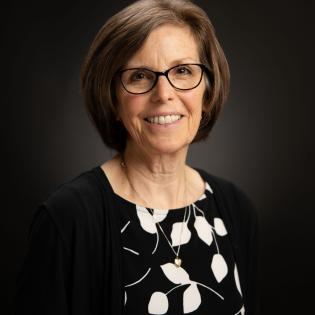
Going to a college where the foundation was the Christian faith, I was able to grow in that. Learning how to teach through that lens was very important to me. Being able to carry my Christian values into my classroom and to have that shaping through the education program at Calvin was very, very helpful.

What Will Your Courses Look Like?
Courses are engaging, relevant, and immediately applicable. You’ll explore topics like instructional design, assessment, and educational leadership—all through a lens of justice and service. Here’s a glimpse at three typical courses.
Designing Instruction for Successful Learning
Strengthen your skills in inclusive teaching. You’ll learn how to design lessons that respect different cultures, support students with disabilities, and meet a wide range of learning needs. You'll build the skills to evaluate the effectiveness of teaching programs and consider faith-based ideas that encourage inclusion.
Throughout the course, you’ll work on a project where you create a unit or training plan using the strategies and tools you’ve studied.
The Early Literacy Learner
Investigate how children learn to read and what helps them become independent readers. You’ll study how students’ backgrounds—culture, language, and life experiences—shape the way they learn in school. The course also covers key ideas and skills that support early literacy development.
Through research, classroom strategies, and hands-on practice, you’ll learn how to support each child’s journey toward confident reading and writing.
Introduction to School Leadership
Study leadership theory and practice relating to building school communities that promote learning for all students. You'll focus on organizational and leadership theory, establishing a school mission, collaborative problem-solving and community building, decision-making skills and procedures, and personal leadership qualities.
You pay special attention to exploring biblical principles which guide Christian leaders in school settings.
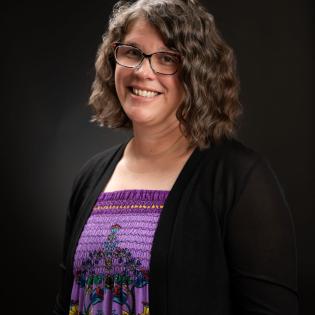
Professors are approachable and relatable. They recognize us as colleagues, as full-time teachers taking classes part-time. They gave a lot of consideration for the busyness of our lives. They were willing to be flexible yet professional.

How to Apply
Admissions Requirements
- Degree and Minimum GPA: Bachelor’s degree from a regionally accredited college or university with a minimum 2.8 GPA.
- Transcripts: Applicants must submit an official transcript from the institution that granted their bachelor’s degree as well as unofficial transcripts from any other credit-granting institution. An official transcript is also required for any graduate work an applicant would like considered for transfer credit. Transcripts must demonstrate a minimum cumulative GPA of 2.8 on a 4.0 scale.
- GRE: Not required.
- Additional Requirements: Two letters of professional recommendation, a resume, and an essay detailing the applicant’s educational goals. Documented teacher certification or eligibility for teacher certification is preferred but not required (just ask to have this piece waived during the application process).
- International Students: For the two hybrid concentrations that include on-campus courses (Educational Leadership and Curriculum and Instruction), it is possible for international students to apply for a Visa.
Your Support Network
Your faculty will encourage deep thinking that prepares you to meet the challenges of today’s education system. Meet the program director and faculty member Dr. John Walcott sharing his expertise about urban education below.
Have questions? Contact us!



Robin Wait from Calvin's Admissions team can answer your general questions. Dr. John Walcott, the MEd program director, is the expert on curricular questions. For the Educational Leadership program, contact Dr. Albert Boerma.
FAQs
There are several "named scholarships" specifically for Master of Education students. There is also the "Master's Blessing" scholarship for Calvin alumni pursuing graduate school at Calvin. Reach out to the program director to express your interest.
Yes, choose between one of four concentrations:
- Educational Leadership
- Curriculum and Instruction
- Literacy
- Inclusion
Yes. The Master of Education program is designed for working educators and is flexible to meet your needs.
Yes, you can complete the program while working full-time. While some students choose to enroll as full-time students, the majority of MEd students study part-time while working as teachers, administrators, or in other education-related fields.