More than the scoreboard: Faith leads the way for men's volleyball program
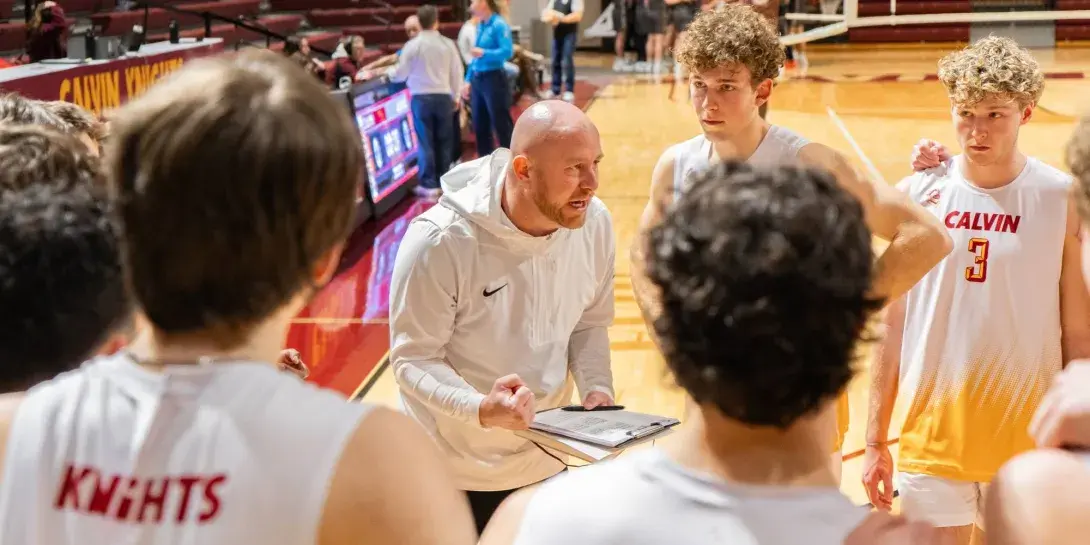
Long after the final whistle blows, long after a season ends and uniforms are packed away, the moments that matter most in sport often have little to do with the scoreboard.
For Coach Aaron Sagraves, they begin somewhere deeper.
Faith - specifically a belief in Jesus Christ - serves as the guiding principle behind everything he does as a coach. It shapes how he builds relationships, runs practices, approaches games, and even how conversations unfold in one-on-one meetings with players.
“That’s where you start,” said Aaron Sagraves, head coach of men’s volleyball. “Faith comes first.” In his first season leading the program, Sagraves has already begun making a meaningful impact, guiding the team forward both on and off the court.
From there, the priorities are clear: faith, academics, and then volleyball.
Faith as the foundation
It’s an order intentionally woven into every aspect of the program he is building.
Shaped by decades of athletics and coaching experience, Aaron’s philosophy has remained consistent throughout his career. Success, he believes, isn’t defined only by wins or championships, but by the kind of people players become during their time in the program.
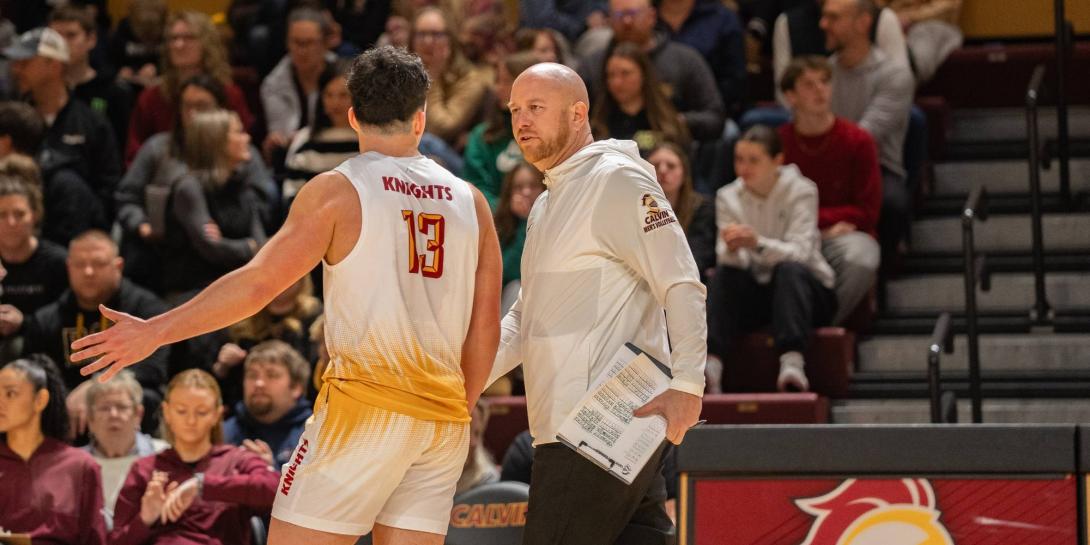
“Coaching has always been about people,” he said. “Sport gives us an opportunity to walk alongside young people during an important time in their lives.”
Academics come next
That perspective changes how a team functions day to day. Practices are competitive, and expectations are high, but development extends beyond tactics and performance. Conversations regularly turn toward purpose, accountability, and growth both on and off the court.
At the collegiate level, Sagraves believes academics must remain central to the student-athlete experience.
“We’re preparing students for life after college,” he said. “Academics are essential. Sport is important, but it can’t come at the expense of why they’re here.” Don’t get him wrong; he wants to win, and he coaches to win. But there is more to it than wins and losses.
Modern college athletics presents unique challenges. Rosters often include transfers and international players arriving from different cultures and playing backgrounds. Bringing those individuals together into a unified team requires intentional leadership.
For Sagraves, faith plays a key role in creating that connection.
Building a team culture
“When players understand they’re valued as people first, it changes everything,” he said. “You build trust. You build relationships.”
Those relationships often matter most in moments away from competition — after difficult losses, during injuries, or when players face challenges beyond athletics.
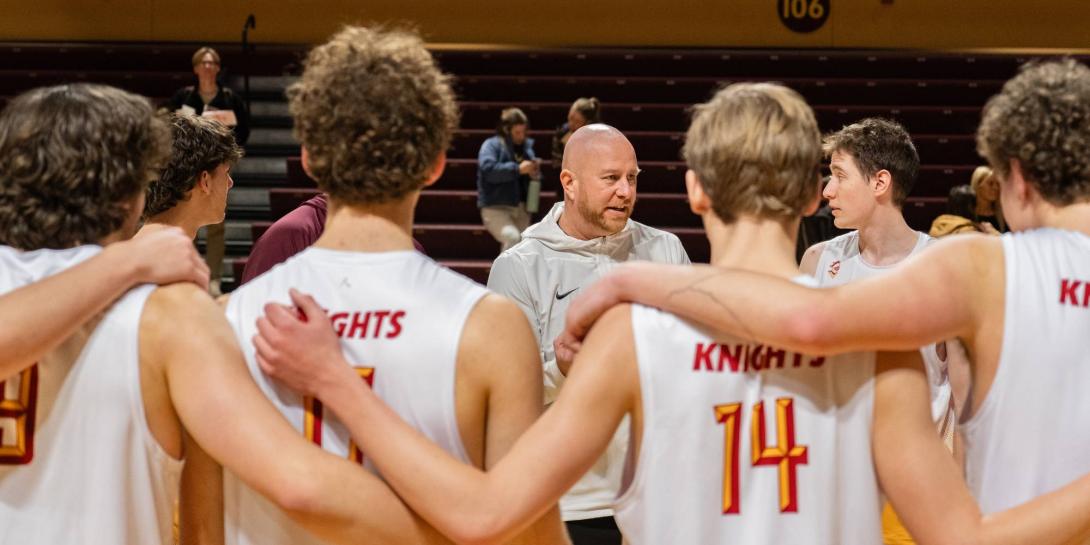
“When players come off the court, they need support,” Sagraves said. “They need someone who cares about them beyond performance.”
The lessons learned through sport, he believes, extend far beyond the game itself. Pressure, adversity, teamwork, and perseverance help shape future leaders long after their playing careers end.
“Sport teaches resilience,” he said. “Life doesn’t always go the way you plan. Learning how to respond to that is incredibly important.”
That philosophy also guides Sagraves as he’s recruiting. He says character and shared values matter just as much as talent.
“We’re looking for people who want to be part of something bigger than themselves,” he said. “Culture doesn’t happen by accident.”
Lessons that last beyond sport
Years from now, when players look back on their experience, Sagraves hopes their memories go deeper than wins or statistics.
“I want them to remember relationships. I want them to remember how they grew - not just as athletes, but as people,” said Sagraves.
“At the end of the day, sport brings people together, but faith gives direction to everything we do.”
And in a program built intentionally from the ground up, Sagraves says that foundation will shape every practice, conversation, and season still to come.
“It’s always been about more than the game,” he said. “It’s about helping young people become who they’re meant to be.”


