From Honors Thesis to Startup: Naomi Ross Launches TrueTag
From Thrift-Floor Problem to Calvin Thesis
TrueTag began at a thrift store and grew in the classroom. After six years at New 2 You, Naomi Ross had seen how much time and judgment go into pricing one-of-a-kind donations. When donations arrive nonstop and shifts rotate, prices can vary from person to person, even when everyone is doing their best.
A typical intake cart might hold a winter coat, a blender, and a pair of name-brand jeans, all with very different “going rates” depending on condition and demand. When someone is trying to keep up with the influx of donations, it is tempting to default to whatever feels familiar. Over time, those quick decisions add up, and two people can price the same kind of item in different ways. That gap between effort and consistency is the problem TrueTag is built to solve.
Listening before Building
For her senior honors thesis, Naomi set out to solve a practical thrift-industry problem. She started by interviewing managers, volunteers, and shoppers to learn what slowed their stores down and which challenges were most realistic to solve. Pricing came up repeatedly as a challenge.
To explore a solution, she brought the idea to Braden Lint and Logan Humphrey, two Calvin computer science students who were eager to build. Together, the three formed the TrueTag team, with Naomi leading customer discovery and bringing a thrift-store perspective. Today, Braden and Logan have graduated and continue to work together through the web development company they founded.
What TrueTag Does
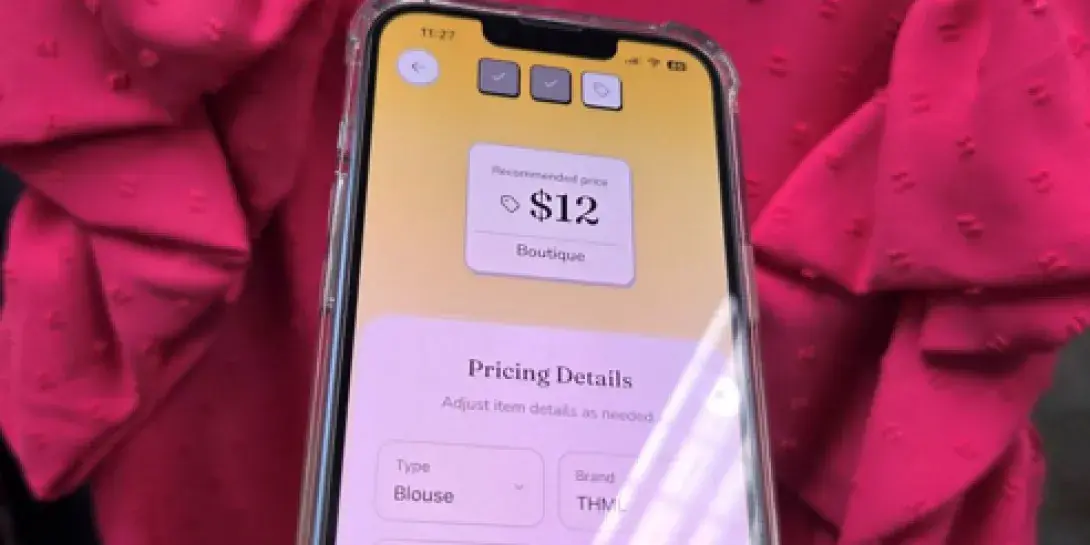
TrueTag is a B2B pricing tool for thrift stores. It helps teams price items closer to market value using data from secondhand markets, while still allowing each store to determine its own approach. Managers set pricing guidelines in a web dashboard, while staff and volunteers use TrueTag during intake and tagging to apply them consistently. Instead of relying on memory or personal judgment, volunteers can follow the store’s pricing strategy in an app any volunteer can have on their phone. The TrueTag team built the product in close partnership with stores, then refined it based on user feedback.
Built with Stores, Improved by Feedback
The team continues to refine TrueTag in partnership with a handful of stores, and user feedback remains central to the process. Candid input even forced a restart and redesign at one point, something Naomi describes as a normal part of building a startup. “You don’t know where you’re going. You’re walking in the dark,” she said. “There’s no roadmap. If something isn’t going right, we must figure out why.”
The Calvin Network Behind the Work
Calvin Startup Garage helped Naomi turn thesis momentum into steady startup work. Professor Peter Snyder guided her early as she translated interviews into a business plan and built accountability into the process. In the Startup Garage practicum, weekly mentor conversations helped the team test assumptions, pressure-test decisions, and keep moving. Mentor Zack Booker pushed a key shift: instead of trying to “fix thrift” all at once, focus on one high-impact problem and solve it well.
What’s Next
Following the launch last month, Naomi expects growth to come through relationships and conversations with local thrift-store teams. “I love thrift, and I know how hard this part is,” she said. “If we can take pricing from a guess to a system that volunteers can actually follow, that changes the bottom line.”
Even after graduation, Startup Garage continues to play a role in her growth strategy through The Forge, a small group of entrepreneurs who meet regularly with a seasoned mentor as they grow their businesses.