Seminary and University Timeline
Spanning 150 years, this timeline offers a curated look at moments that have shaped Calvin’s story. From academic milestones and campus growth to athletic achievements, student life, and commitments to justice and service, these highlights reflect the breadth of our shared history.
While no single timeline can capture it all, each moment points to the people, ideas, and faith that continue to form Calvin University and Calvin Theological Seminary.
1870s
1876: Calvin College and Seminary began as one institution
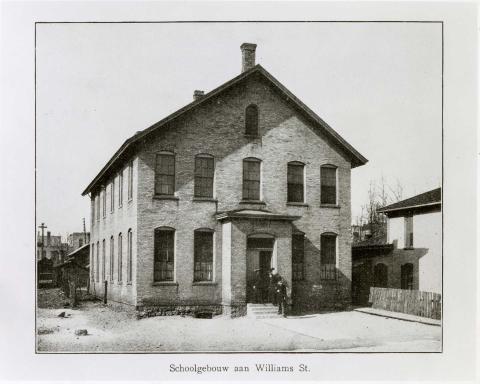
De Theologische School opened for Dutch immigrants in a rented upper room on Spring St. in Grand Rapids, MI. It took students through six years of curriculum that incorporated both literary and theological training. The school’s “literary” program would evolve into Calvin College.
1876: Geert Boer begins as the Theological School’s first docent
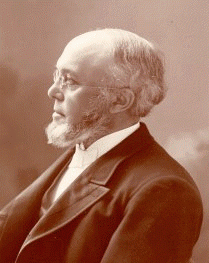
The role of the docent was comparable to the role of professor today.
1890s
1892: Campus move to Madison Ave
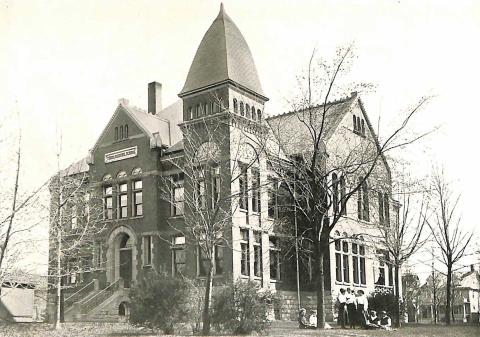
The first dedicated school building opened on Madison Avenue. This was the school’s second campus home and the first one designed and built specifically for it.
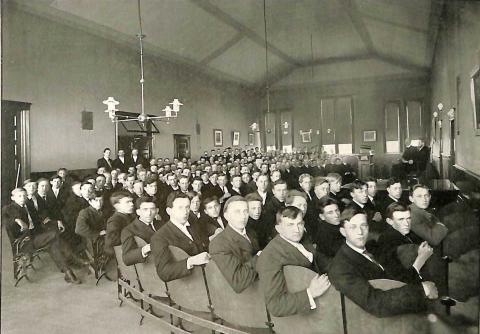
1894: Theological School reorganized
The Theological School turned the theological and literary programs into separate departments, and opened the literary department to students not intending to become clergy.
1894: First international student
David Adams, from northwestern Iran, studied in the literary department.
1900s
1900: The Preparatory Department was formed
The Theological School transformed the Literary Department into a Preparatory Department, with the first programs designated for students not bound for the seminary program, including women. The first women students enrolled in 1901.
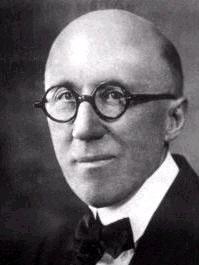
1900: A.J. Rooks assumed the role of Principal
His position became a new, more specialized role of dean in 1919, when Hiemenga became president of Calvin.
1900s
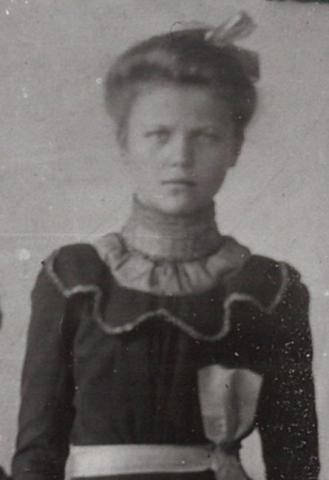
1901: First female students admitted
Anna Groendyk-Houtman became the first woman graduate in 1905.
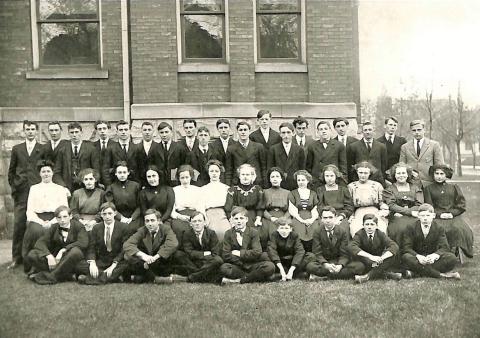
1906: John Calvin Junior College (JCJC) opened
This six-year program included four years of academy training (Preparatory Department) and two years of junior college. It added a third year in 1910.
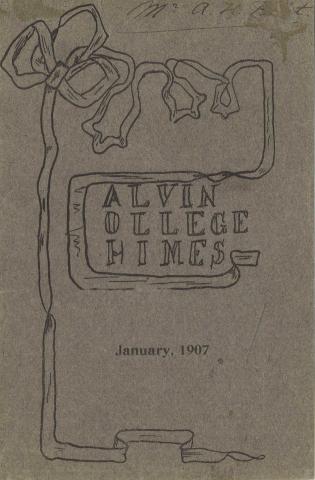
1907: Alumni Association founded and Chimes first published
1908: JCJC was renamed Calvin College
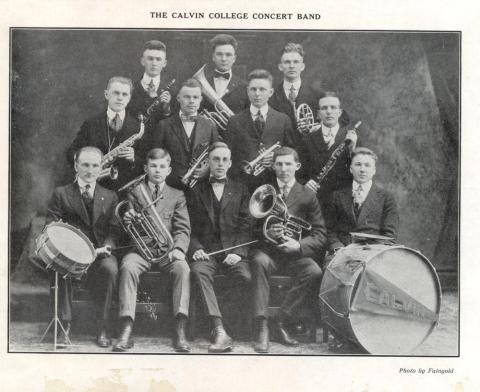
1908: First performance for Calvin orchestra
While other musical groups existed before this, the Calvin orchestra performed in 1908, establishing a rich musical tradition across genres.
1910s
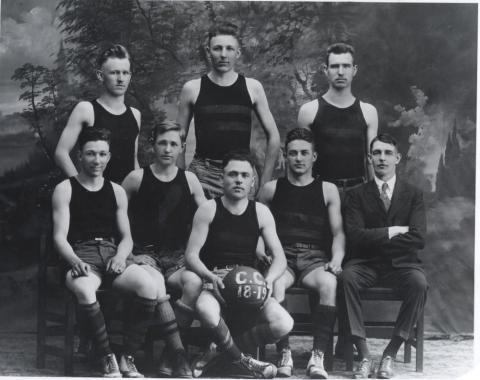
1910: First Calvin College basketball team
The first Calvin College basketball team was formed as a student club. Students used the YMCA for practice since the Madison campus did not have its own athletic facilities. The college did not have official sports teams for another decade.
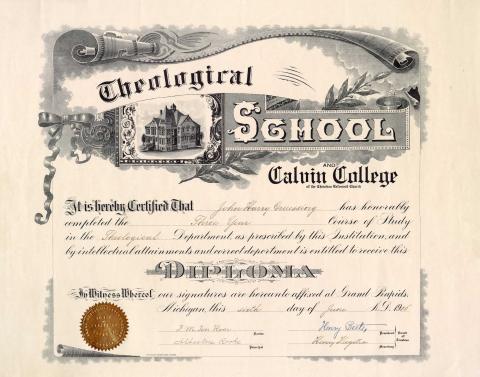
1913: First ad hoc Bachelor's degrees
The college awarded its first ad hoc bachelor of arts degrees, for students who completed the three-year junior college program and enough additional coursework in the Theological School or another school.
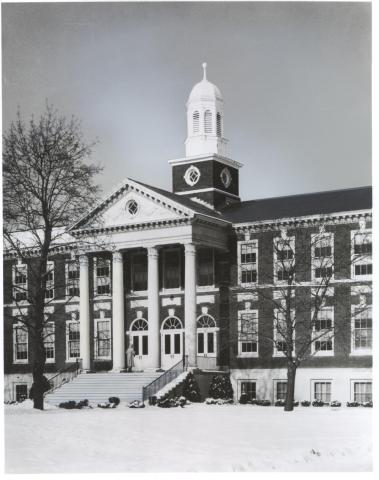
1917: Campus move to Franklin St.
Calvin College moved to the Franklin St. campus in Grand Rapids, MI, on land purchased in 1909.
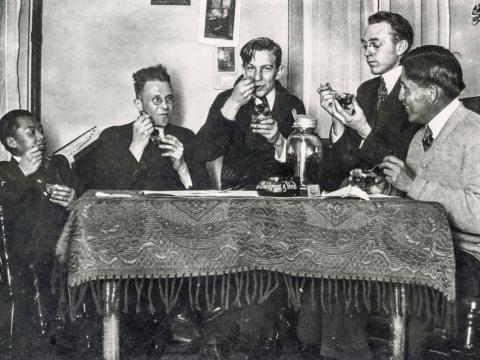
1918: First Asian student graduate
Lum K. Chu (aka Chin Lum) from China completed Calvin’s 2-year program in education. Lum is pictured on the left in the photo.
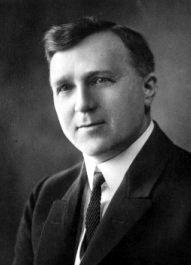
1919: J.J. Hiemenga becomes the first leader of the College with the title of president
He serves in this role until 1925.
1920s
1920: Four year college
Curriculum expanded to four years of college courses.
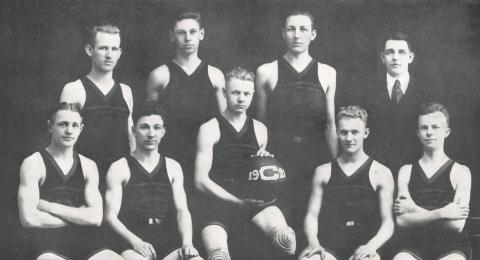
1920: Rivalry began
The first Calvin vs Hope basketball game was played, beginning 100+ years of The Rivalry.
1921: Bachelor's graduates
Calvin College awarded its first formal bachelor of arts degrees.
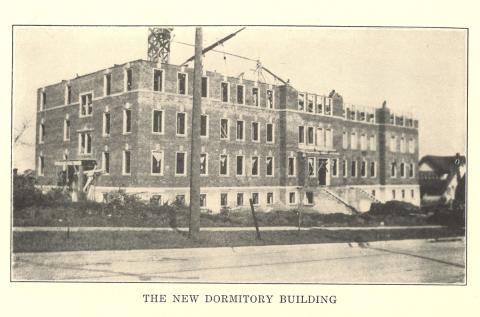
1924: First on-campus dormitory opened
1925: Teacher training offered
While there had been pedagogy courses since the early 1900s, this was the start of an accredited teacher training program.
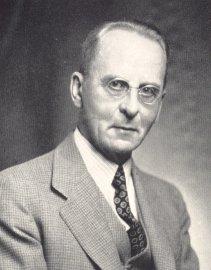
1925: Johannes Broene named College president
He served in this role until 1930, and again for an interim year in 1939–1940.
1920s
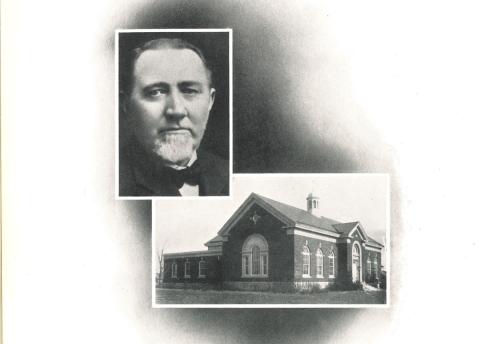
1928: Hekman Library dedicated
1930s
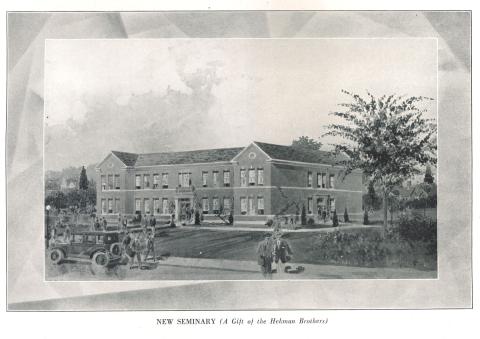
1930: Calvin College and the Theological School became Calvin College and Seminary
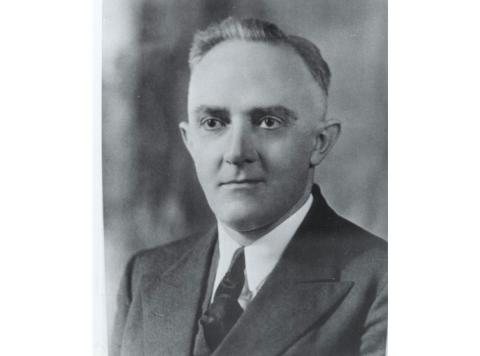
1930: R.B. Kuiper became the College president
He served in this role until 1933. He also served as seminary president, 1952-1956..
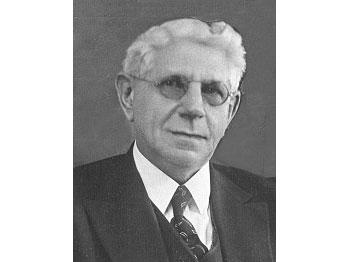
1931: Louis Berkhof appointed as the Seminary president
Berkhof was the first president, and the first leader on a continuing basis. He served in this role until 1944.
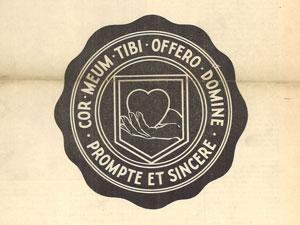
1933: Heart and hand seal
The heart and hand seal became the official insignia of the school. Its origins stem from John Calvin, who used a similar image to seal his letters in the 1540s.
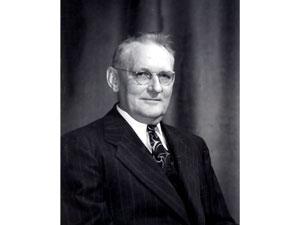
1933: Ralph Stob began his role as the College president
He served in this role until 1939.
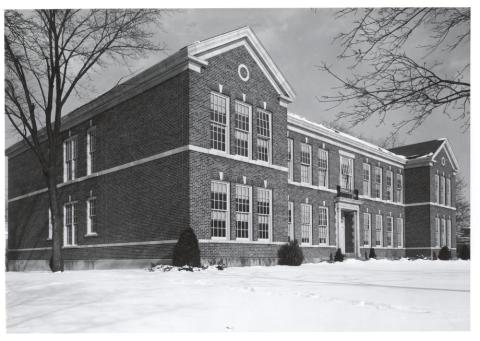
1938: New building on Franklin Street
In the midst of the Great Depression, Calvin opened a new library and classroom building on the Franklin Street Campus.
1939: Johannes Broene served for a second time as the College interim president
1940s
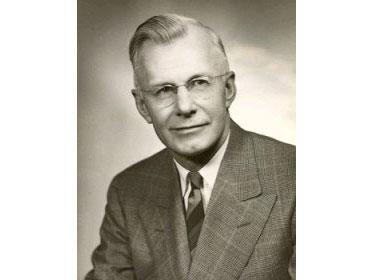
1940: Henry Schultze became the College president
He served in this role until 1951.
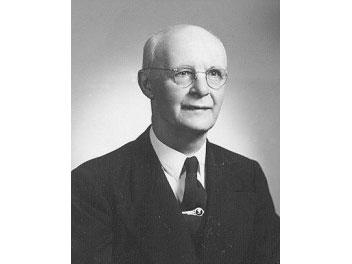
1944: Samuel T. Volbeda began as the Seminary president
He served in this role until 1952.
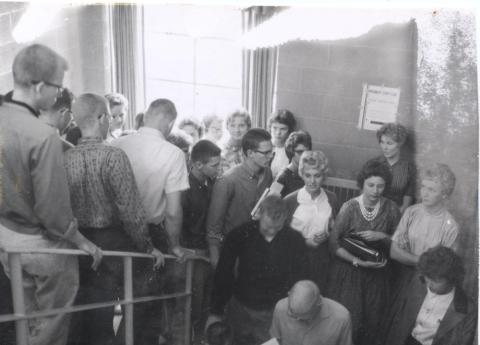
1946: Rise in enrollment
Enrollment rose from 503 to 1245 in one year as veterans began higher education following WWII. As a result, frantic efforts were made during the next two decades to raise money, find faculty, and construct new buildings—first on the Franklin campus, then on the Knollcrest campus.
1950s
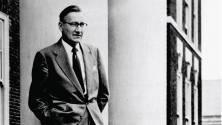
1951: Wiliam Spoelhof began as Calvin College president
He served in this role until 1976.
1950s
1952: R.B. Kuiper served a second role, this time as Seminary president
He served in this role until 1956.
1953: Calvin College joined the Michigan Intercollegiate Athletic Association
With already long-time rival as its chief sponsor, Calvin became a full member of the Michigan Intercollegiate Athletic Association during the 1953-54 academic year. In its first year as an MIAA member, the Calvin men’s basketball team claimed an outright conference title and advanced to the NAIA National Tournament.
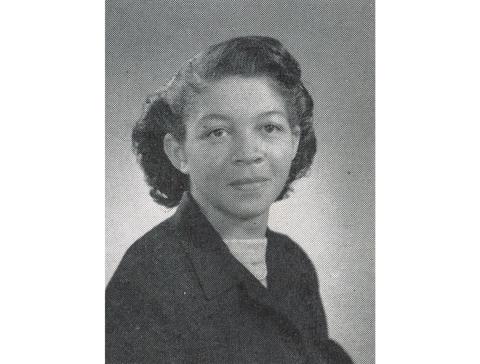
1953: First African-American student graduate
Sadie Marie Barham graduated with a BA in education.
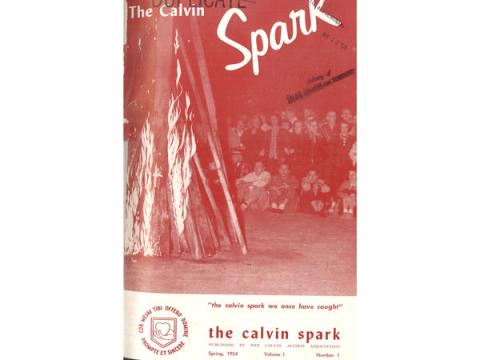
1954: Spark magazine
Spark alumni magazine published its first issue, replacing the Alumni Newsletter which ran from 1925-1953.
1956: First Native-American student graduate
Doris Rose Aitson graduated with a BA in education.
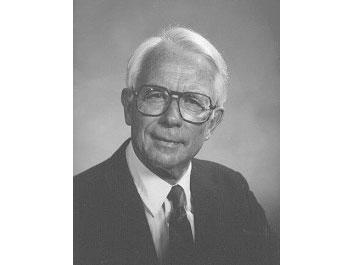
1956: John Kromminga began as Seminary president
He served in this role until 1983.
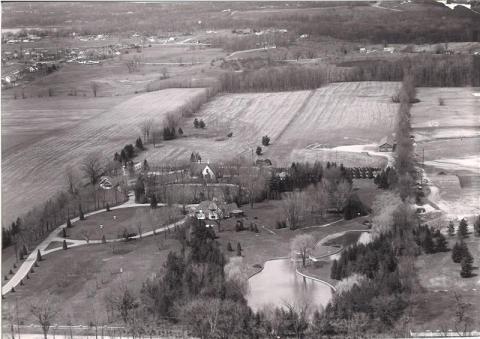
1956: Purchase of the Knollcrest Farm
1960s
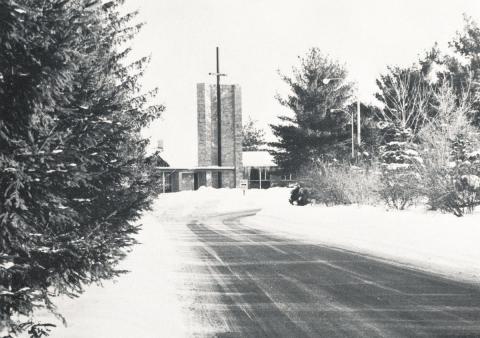
1960: Seminary building completed on Knollcrest campus
This begins the 13-year stretch of Calvin operating between two campuses, with faculty and students shuttling back and forth.
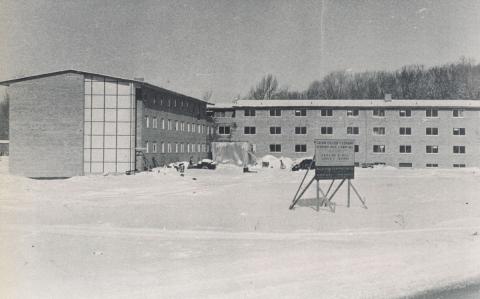
1962: More new buildings completed
Hekman Library, Hiemenga Hall, two dorms, the Knollcrest dining building, and a maintenance building completed on the growing campus.
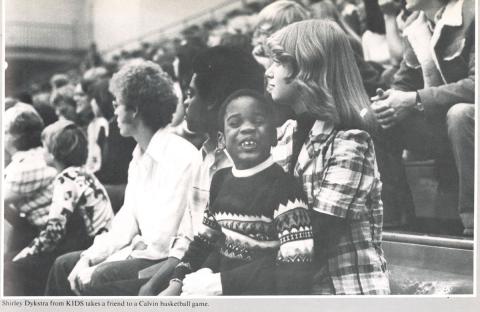
1964: KIDS (Kindling Intellectual Desire in Students) started by two students
Later renamed as SVS (student volunteers service), and then renamed and reconceived as the Service-Learning Center in the 1990s.
1965: Knollcrest Fieldhouse Completed
Construction of the 4,500 seat Knollcrest (later Calvin) Fieldhouse was completed in late fall of 1965. The inaugural contest in the facility took place on December 1 with the men’s basketball team facing Northern Michigan University.
1966: Fine Arts Center completed
1970s
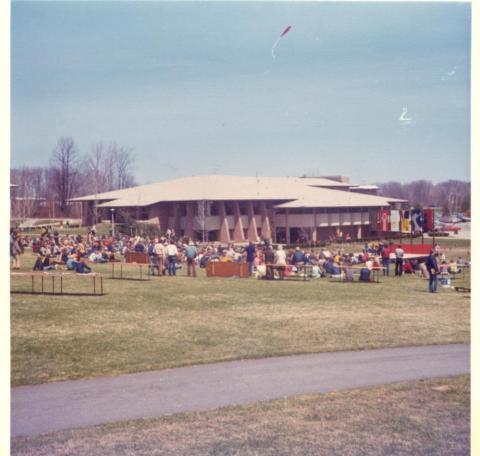
1973: College completed move to Knollcrest campus
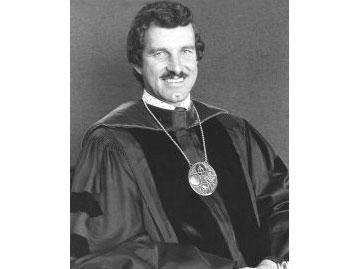
1976: Anthony Diekema appointed as College president
He served in this role until 1995.
1970s
1977: Calvin hosted the NCAA III Men’s Track & Field Championships
Calvin hosted the first of two successive years of the NCAA III Track and Field Championships on campus. The 1977 national meet was headlined by Olympic gold medalist Edwin Moses who captured a national title in the 440 yard dash.
1977: Enrollment topped 4,000 for the first time
1980s
1980: Creation care book published
Earthkeeping: Christian Stewardship of Natural Resources, a groundbreaking book on creation care is published by a group of Calvin faculty members. The project was sponsored by the Calvin Center for Christian Scholarship, which was founded in 1978.
1982: Calvin hosted NCAA III Men’s Basketball Final Four for seven year run
Through the leadership of Athletics Director Dave Tuuk, Calvin hosted the NCAA III Men’s Basketball Final Four for a seven-year run at the Calvin Fieldhouse.
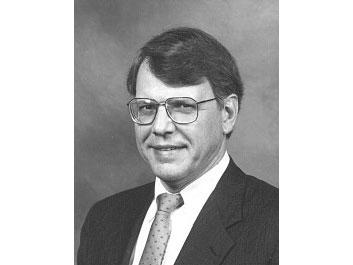
1983: James A. DeJong took office as Seminary president
He served in this role until 2001.
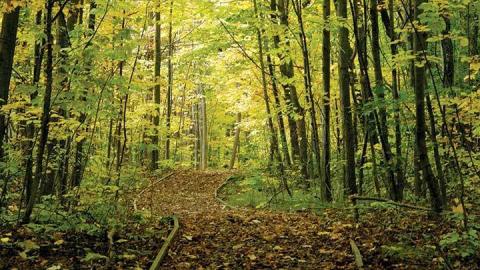
1985: The Ecosystem Preserve was established
The Ecosystem Preserve was established, and in 2017, expanded to cover 100 acres of the 400-acre Knollcrest campus.
1985: First comprehensive plan for a multicultural community was adopted
The Comprehensive Plan for Integrating North American Ethnic Minority Persons and Their Interests Into Every Facet of Calvin’s Institutional Life was drafted by the Minority Concerns Task Force. The document was intended to plot out a course that would make Calvin College the multicultural community envisioned by many. The Comprehensive was adopted as a key institutional document.
1990s
1990: Environmental Stewardship Coalition established
The student-led Environmental Stewardship Coalition was established with the mission of raising campus consciousness regarding current environmental issues and emphasizing Christian stewardship as a personal and community responsibility.
1991: Entrada Scholars began
Entrada built on Calvin’s participation in the national Upward Bound summer program, which Calvin started doing in 1966.
Spanish for “entrance” or “gateway,” Entrada immerses high school junior and senior students from diverse backgrounds in a college experience whose core is academic excellence. They take a college class, live in the residence halls, eat in the dining halls, study in the library, attend workshops, shoot hoops in the gym, perform service projects, and enjoy outings.
1991: Calvin College and Calvin Theological Seminary became two distinct institutions
The college and seminary became two distinct institutions with separate boards, but continue to collaborate closely.
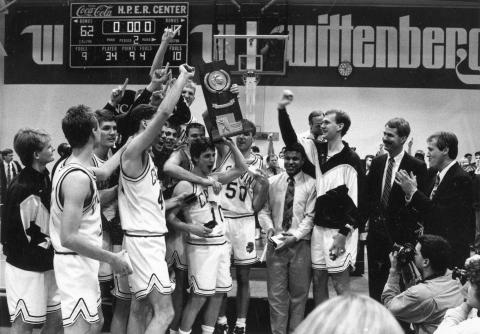
1992: Calvin Men’s Basketball won the Division III national title
Led by the superb play of All-American center Steve Honderd, Calvin captured its first national team title. Calvin finished 31-1 overall capped off by a 62-49 win over Rochester in the title game. In 2000, the men’s basketball team would claim a second title, defeating Wisconsin-Eau Claire 79-74 in the title tilt led by National Player of the Year Aaron Winkle
1994: Email and internet access made available to all students on campus
1995: Rangeela begins
Rangeela began as the annual cultural show from the international student body at Calvin College.
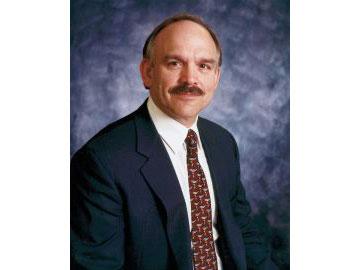
1995: Gaylen Byker named College president
He served in this role until 2012.
1997: Calvin Environmental Assessment Program began
The Calvin Environmental Assessment Program (CEAP) takes academically based service-learning to another level. Research projects and class labs that facilitate interdisciplinary collaborative projects have helped the campus community better understand its ecological impact.
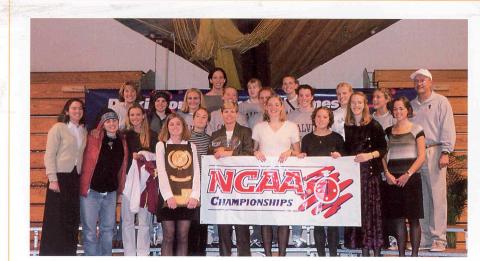
1998: Calvin Women’s Cross Country won national titles
Led by head coach Nancy Meyer, the women’s cross country team captured the first national women’s team title as the Knights produced a first place team score at the national meet in Carlisle, Pennsylvania. Calvin repeated as national champion one year later at the national meet in Oshkosh, Wisconsin.
1999: Anti-racism task force formed
CRCNA mandated all affiliate institutions, including Calvin College, to organize an anti-racism task force, offer anti-racism trainings, and review key institutional identity documents. CART (Calvin Anti-Racism Team) was formed. This team was originally composed of seven members representing faculty and staff across several departments. The team provided 90-minute anti-racism trainings and began the process of reviewing key identity documents, especially the Comprehensive Plan.
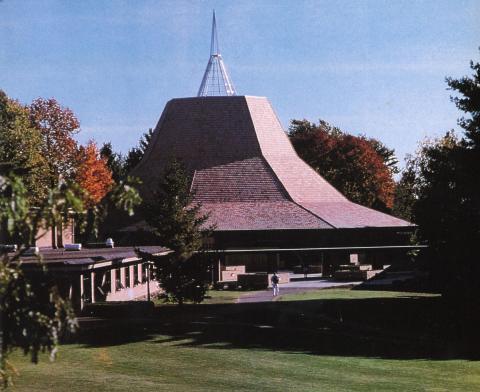
1990: Chapel was built
2000s
2000: UnLearn Week founded
UnLearn Week was founded by the Multicultural Student Development Office. This week is a series of programs organized by students which challenges the generalizations, stereotypes, and assumptions underlying racism. The series features speakers, panel discussions, films, and food festivals meant to bridge a cultural gap within the Calvin community.
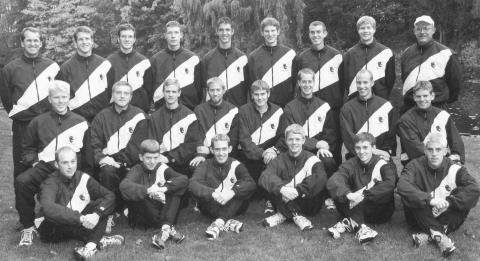
2000: Men’s Cross Country won national title
Led by coaches Brian Diemer and Al Hoekstra, Calvin captured its first national title in men’s cross country, finishing with a first place team score at the national meet in Spokane, Washington. Calvin would go on to win national titles in 2003, 2004, and 2006.
2000: Calvin hosted Republican Party Presidential primary debate
2000s
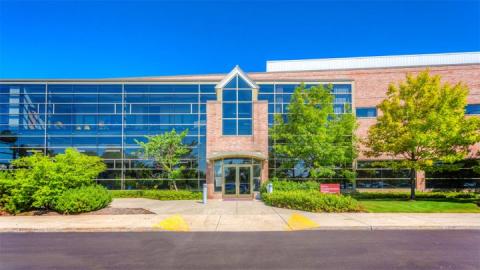
2002: DeVos Communications Center and Prince Conference Center opened
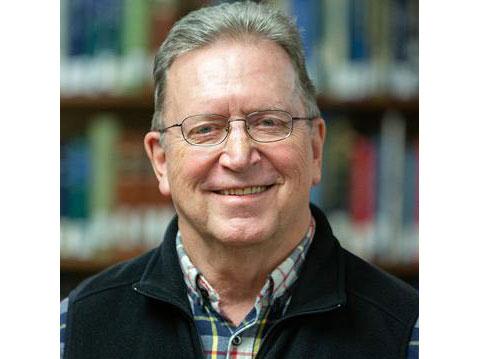
2002: Cornelus Plantinga Jr assumed leadership as Seminary president
He served in this role until 2011.
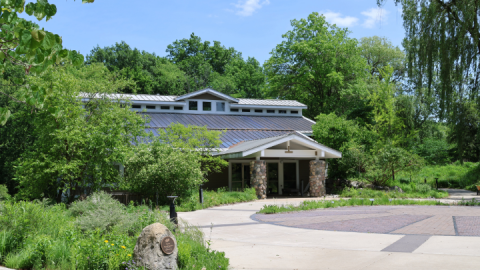
2004: Bunker Interpretive Center
The Bunker Interpretive Center was completed. The 5,000-square foot educational space in the Ecosystem Preserve was the first gold LEED-certified building in the city of Grand Rapids.
2004: From Every Nation
Calvin’s second comprehensive plan for Calvin as a multicultural community, From Every Nation: (FEN) was approved by the Faculty Assembly in October 2003 and in February 2004 by the Board of Trustees.
2007: Statement on Sustainability
The Faculty Environmental Stewardship Coalition produced the Statement on Sustainability. The statement provides guidelines for the college for integrating sustainable principles into 13 categories including transportation, energy, water and campus site planning.
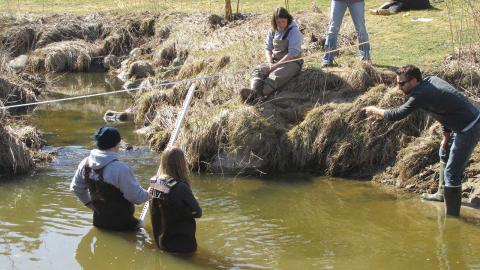
2009: Plaster Creek Stewards is formed
Plaster Creek Stewards (PCS) is a collaboration of Calvin faculty, staff, and students working with local schools, churches, and community partners to restore health and beauty to the most contaminated waterway in West Michigan.
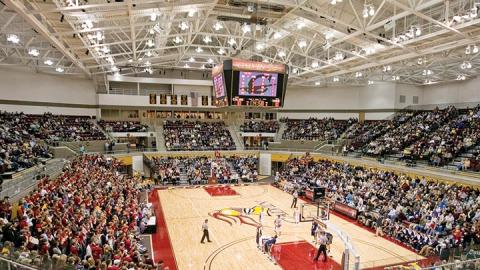
2009: Spoelhof Fieldhouse Complex completed
After an 18-month period of construction, the Spoelhof Fieldhouse Complex was completed. The complex includes 4,800 seat Van Noord Arena, 50-meter Venema Aquatic Center, the revamped Hoogenboom Gymnasium (formerly Calvin Fieldhouse) and multi-purposed Huizenga Tennis and Track Center.
2010s
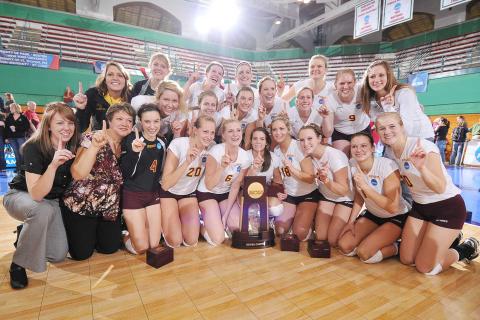
2010: Calvin Women’s Volleyball won first national championship
Led by head coach Amber Warners, Calvin captured its first NCAA III title, defeating Emory University in St. Louis, Missouri. Calvin would later win national titles in 2013 and 2016. All three national title teams included at least one sister from the Kamp family out of Palos Hills, Illinois.
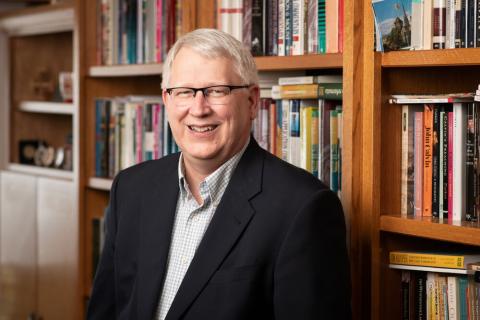
2011: Jul Medenblik began serving as Seminary president
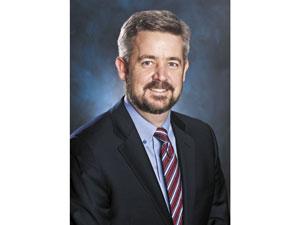
2012: Michael LeRoy became president of Calvin College (later University)
He served in this role until 2022.
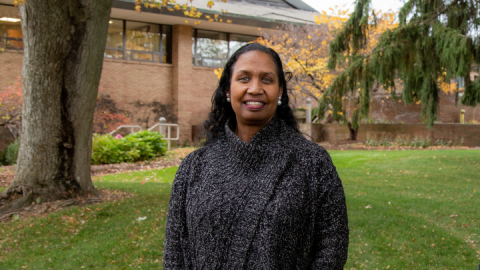
2015: Executive Associate to the President for Diversity and Inclusion
Michelle Loyd-Paige was appointed as the college’s first Executive Associate to the President for Diversity and Inclusion
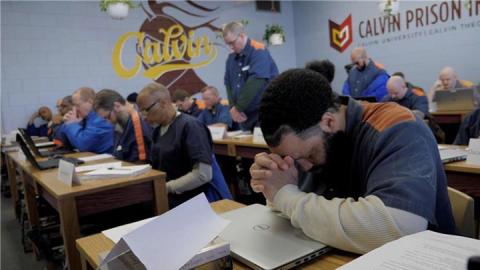
2015: Calvin Prison Initiative launched
Calvin University and Seminary launch the Calvin Prison Initiative at Richard A. Handlon Correctional Facility in Ionia, Michigan.
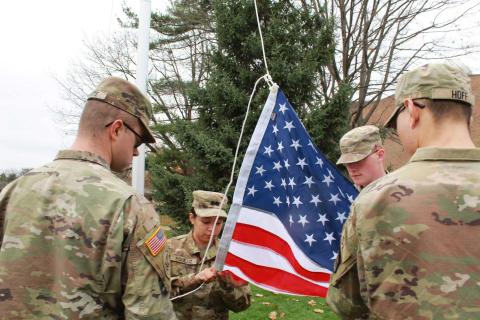
2017: Best College for Veterans
Calvin College ranked #1 on 2017 U.S. News & Report’s “Best Colleges for Veterans” list (among institutions in the Regional Colleges Midwest category).
2018: Vision 2030
Vision 2030 framework was approved by the Board of Trustees and Synod. The Vision Framework proposed becoming a university with an expanded global influence by 2020 and included “diversity and inclusion” as an institutional value.
2019: Calvin officially becomes Calvin University
2020s
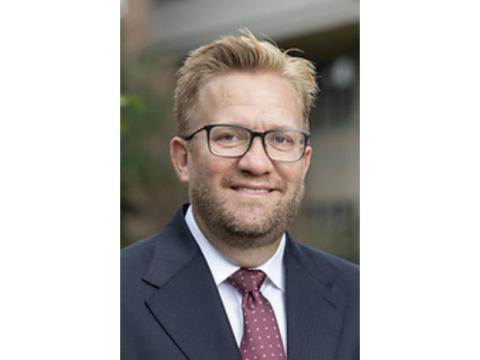
2022: Wiebe Boer was appointed as University president
He served in this role until 2024.
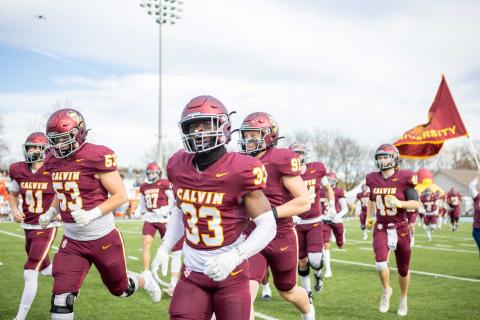
2024: Calvin Athletics added new facilities and programs
A historic year ensued as Calvin kicked off the first seasons of men’s volleyball, women’s acrobatics and tumbling, and football. Calvin built a new outdoor track and field complex on its east campus and a state-of-the-art soccer stadium on its central campus.
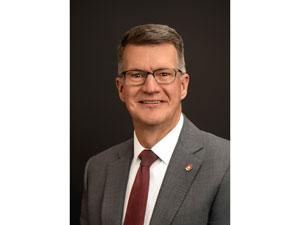
2024: Present Greg Elzinga started service as University president